Narrative card games are revolutionizing how we experience storytelling in gaming, blending traditional card mechanics with rich narratives that draw players into captivating worlds. As players navigate choices and challenges, they become part of a unique story, where every card played can alter the course of the game.
From popular titles like “Gloom” to “Arkham Horror,” narrative card games offer a distinct experience that sets them apart from conventional card games, marked by their focus on character development, thematic depth, and player interaction.
Introduction to Narrative Card Games
Narrative card games blend storytelling with strategic gameplay, creating immersive experiences that engage players on multiple levels. These games utilize cards not just as gameplay mechanics but as vessels for rich narratives and character development. Popular titles include “Gloomhaven,” “Arkham Horror: The Card Game,” and “Legacy of Dragonholt,” which exemplify how card games can go beyond traditional mechanics to create compelling stories.What sets narrative card games apart from their traditional counterparts is their emphasis on narrative progression and player choice.
While traditional card games often focus on competitive play and strategy, narrative card games invite players to explore stories, make impactful decisions, and shape the outcome of their adventures. Over the years, narrative card games have evolved significantly within the gaming industry, incorporating elements from role-playing games (RPGs) and video games, leading to innovative designs that continue to capture the imagination of players worldwide.
Gameplay Mechanics of Narrative Card Games
Core gameplay mechanics in narrative card games revolve around decision-making, resource management, and character actions that influence the storyline. These games often feature a range of unique mechanics designed to enhance storytelling, such as:
- Choice-Based Mechanics: Players make choices that significantly affect the game’s narrative, leading to different endings or character developments.
- Event Cards: Special cards that trigger narrative events, often requiring players to make decisions that will steer the story in different directions.
- Character Progression: Players develop their characters over time, gaining skills and unlocking new narrative paths as they advance.
An example of choice affecting narrative flow can be seen in “Arkham Horror: The Card Game,” where players decide how to respond to various situations, altering the storyline based on their collective decisions.
Thematic Elements in Narrative Card Games
Common themes explored in narrative card games include adventure, mystery, horror, and personal growth. These themes are intricately woven into the game design, enhancing the player’s emotional and intellectual investment. Narrative themes are integrated through:
- Story Arcs: Each game presents overarching narratives that players can unravel as they progress.
- World-Building: Detailed settings and lore that provide context for player actions and decisions.
- Character Relationships: Interactions between characters often reflect broader themes, adding depth to the player’s experience.
A prime example of effective theme execution is found in “Gloomhaven,” where the themes of sacrifice and heroism are central to the gameplay.
Character Development in Narrative Card Games
Character development plays a crucial role in narrative card games, as players often form strong attachments to their characters and their stories. Examples of character arcs that influence gameplay include:
- Redemption Arcs: Characters who start with flaws can evolve through player choices, leading to different gameplay outcomes based on their actions.
- Dynamic Relationships: Characters may change their interactions based on previous choices, creating a richer narrative experience.
- Personal Quests: Characters may have unique personal quests that can impact the main storyline, diversifying gameplay paths.
Methods used to create engaging characters often involve intricate backstories and a variety of choices that reflect their growth throughout the game.
Player Interaction and Engagement
Narrative card games excel in fostering player interaction, making collaboration essential for storytelling. Mechanics that encourage collaborative storytelling include:
- Shared Decision-Making: Players often need to discuss and arrive at collective decisions that affect the narrative.
- Character Cooperation: Many games reward players for working together, utilizing each character’s strengths to overcome challenges.
- Joint Storytelling: Players contribute to the evolving narrative, crafting a story that is unique to their group.
The role of player decisions is vital, as each choice not only shapes the individual experience but also alters the group’s narrative outcome.
The Role of Artwork and Design
Artwork significantly enhances the narrative experience in card games, visually immersing players in the game’s world. Design techniques employed to create immersion include:
- Illustrative Style: Unique art styles can reflect the game’s theme, enhancing the emotional impact of the narrative.
- Card Layout: Effective card design conveys essential information while maintaining thematic consistency.
- World-Building Art: Background art and illustrations can provide context for the story, making the game world feel alive.
Games like “Legend of the Five Rings” feature outstanding visual design that supports and elevates the narrative experience.
Comparison with Traditional Card Games
Narrative card games differ substantially from traditional card games, particularly in their approach to storytelling and gameplay mechanics. In terms of gameplay:
- Strategy vs. Story: Traditional card games often prioritize strategic play, while narrative card games focus on character-driven stories.
- Player Impact: Narrative elements allow players to feel their choices resonate within the game world, unlike many traditional games.
The advantages of narrative elements include enhanced engagement and emotional investment, while disadvantages might involve complexity and longer gameplay times. Traditional card games can incorporate narrative features through themed expansions or storyline-driven tournaments, providing a bridge between the two genres.
Future Trends in Narrative Card Games
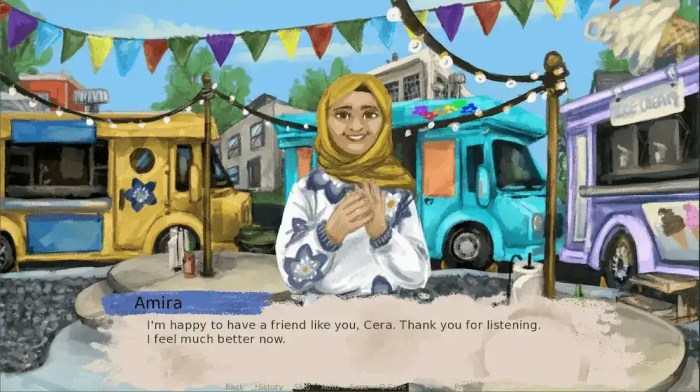
Emerging trends in narrative card games indicate a shift towards even more immersive experiences. Innovations in gameplay mechanics may include:
- Augmented Reality: Using AR to create interactive storytelling experiences that blend digital and physical gameplay.
- Cross-Media Integration: Collaborations with other media, such as films and novels, to create interconnected narratives.
- Adaptive Storytelling: Games that adjust their narrative based on player behavior and choices across multiple sessions.
Predictions suggest that narrative card games will continue to evolve, leveraging technology and deeper storytelling techniques to captivate audiences.
Community and Cultural Impact
Communities play an integral role in shaping the experiences of narrative card games. They provide platforms for sharing strategies, stories, and fan creations, fostering a collaborative environment.Narrative card games have influenced popular culture by:
- Inspiring Media: Many games have inspired films, novels, and web series, reflecting their cultural significance.
- Creating Fan Communities: Online forums and social media groups allow players to discuss narratives and share experiences.
Social media amplifies the perception of narrative card games, enabling fans to connect, share insights, and promote their favorite games, thus contributing to a vibrant gaming culture.
Closing Summary
As we delve into the realm of narrative card games, it’s clear that they are more than just a pastime; they are a medium through which players can explore complex themes, engage with memorable characters, and foster community connections. The future looks bright for narrative card games, promising innovative gameplay and storytelling that will continue to captivate audiences for years to come.
FAQ Corner
What are narrative card games?
Narrative card games are games that emphasize storytelling through card mechanics, allowing players to make choices that shape the narrative.
How do narrative card games differ from traditional card games?
Unlike traditional card games, which focus primarily on strategy and competition, narrative card games prioritize storytelling and character development.
Can narrative card games be played solo?
Yes, many narrative card games offer solo play options, allowing players to experience the story on their own.
What makes character development important in these games?
Character development adds depth to the gameplay, allowing players to become emotionally invested in the outcome of the story and their choices.
Are there any popular examples of narrative card games?
Yes, popular examples include “Gloom,” “Arkham Horror,” and “Legacy: The Testament of Duke de Crecy,” each showcasing unique storytelling approaches.