![[Top 15] Mythology Games To Play Right Now | Gamers Decide](https://ltbaiio.info/wp-content/uploads/2025/06/topic_pic.jpg)
Mythology card games invite players into a rich tapestry woven from the threads of ancient tales, legends, and cultural lore. These games not only entertain but also educate, allowing players to engage with mythological narratives in a dynamic and interactive way. As this genre has evolved, it has carved a unique niche in the gaming culture, reflecting the collective imagination and heritage of civilizations across the globe.
Originating from traditional storytelling, mythology card games have adapted and transformed over the years, incorporating elements from various cultures and their associated mythologies. From trading card games that pit gods against monsters to role-playing games that explore epic quests, the genre showcases a diverse array of titles that captivate audiences both young and old.
Introduction to Mythology Card Games
Mythology card games blend the rich tapestry of ancient tales and figures with the strategic depth and engagement of card gameplay. These games hold a significant place in gaming culture, often serving as a bridge between storytelling and interactive entertainment. As players dive into these realms, they not only engage in competitive play but also explore the fascinating narratives behind legendary heroes and deities.The origins of mythology card games can be traced back to the early days of tabletop gaming, where ancient stories inspired various gameplay mechanics and themes.
Over time, these games have evolved, incorporating modern design elements while retaining the core essence of the myths. Popular examples of mythology-based card games include “Magic: The Gathering,” which frequently draws on mythological themes, and “Legendary: Marvel Deck Building Game,” where players can leverage the powers of mythological superheroes.
Types of Mythology Card Games
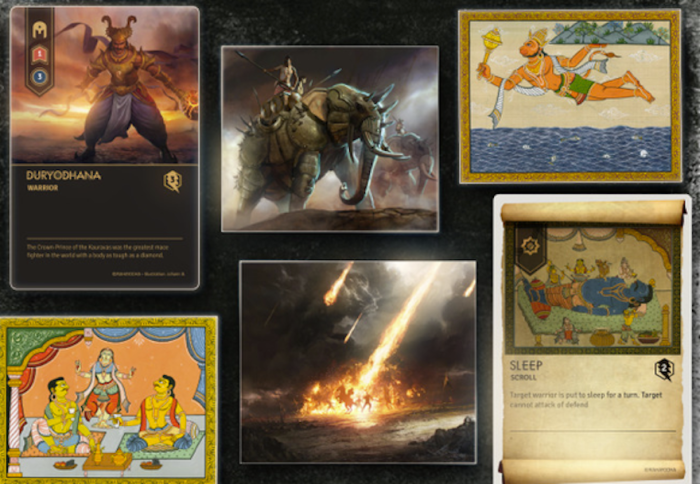
Mythology card games can be categorized into several distinct types, each offering unique gameplay experiences. Understanding these categories helps players choose games that suit their preferences.
- RPG (Role-Playing Games): These games emphasize character development and storytelling. Players often assume the roles of mythological figures, embarking on quests and facing challenges. A prominent example is “Baldur’s Gate: Enhanced Edition,” where players can encounter various mythological creatures.
- Strategy Games: Focused on tactical decision-making, these games challenge players to outsmart their opponents using strategic card play. “Hearthstone” often integrates mythological elements through its characters and spells.
- Collectible Card Games (CCGs): Players collect various cards to build their unique decks, often based on mythological themes. “Yu-Gi-Oh!” frequently features mythological monsters and deities.
Game Mechanics and Design
The basic mechanics commonly found in mythology card games often involve resource management, turn-based actions, and combat systems. Players must strategize their moves, anticipating opponents’ actions while leveraging their card abilities. Artwork and storytelling play pivotal roles in enhancing the player experience. Stunning visuals bring mythological figures to life, while compelling narratives immerse players in the lore of the game.
For instance, “Ascension: Deckbuilding Game” utilizes intricate artwork to depict its mythological creatures and realms, enriching the gameplay experience.A key mechanic used in a popular mythology card game like “Gods Unchained” involves a unique blend of strategy and resource management. Players draft cards representing various gods and mythical beings, each with distinct abilities that influence gameplay, adding a layer of strategic depth as they build their decks.
Cultural Influences in Mythology Card Games
Various mythologies deeply influence game design and themes, shaping the narratives and aesthetics present in mythology card games. From Greek and Norse myths to Japanese folklore, these rich traditions provide a wealth of material for game developers.Specific mythological figures, such as Zeus, Thor, and Amaterasu, frequently appear in games, each embodying unique powers and characteristics that players can harness. The portrayal of these figures often varies significantly across different games, reflecting the developers’ interpretations and the cultural context.For example, while Zeus in one game may be depicted as a benevolent ruler, in another, he might be portrayed as a vengeful deity.
This variance invites players to explore different representations of the same mythological figures, enriching their understanding of the source material.
Community and Competitive Play
The community surrounding mythology card games is vibrant and diverse, with fan groups and events dedicated to celebrating these games. Online forums, social media groups, and local meetups foster connections among players, allowing them to share strategies, experiences, and fan art.Tournaments and competitions play a crucial role in popularizing mythology card games. These events not only highlight competitive play but also create a sense of camaraderie among players.
Personal testimonials from participants often reveal how these tournaments have deepened their appreciation for the games, fostering friendships and lasting memories.
Future of Mythology Card Games
As technology evolves, so do mythology card games. Emerging trends suggest an increase in immersive experiences, such as augmented reality or virtual reality elements, that could further bridge the gap between storytelling and gameplay. The potential for crossovers with other genres or media, such as video games and movies, is significant. For instance, the success of games like “God of War,” which intertwines mythological narratives with engaging gameplay, exemplifies how these elements can resonate with broader audiences.A new mythology card game concept could involve a cooperative gameplay model, where players work together to defeat mythological monsters while unraveling a shared story.
Unique features could include customizable decks and evolving narratives based on player decisions, ensuring a fresh experience each time they play.
Related Topics: Card Games
The general landscape of card games extends beyond mythology, encompassing a wide range of themes and mechanics. Over the years, card games have evolved significantly, influenced by advancements in technology and changes in player preferences.Iconic card games like “Poker,” “Bridge,” and “Uno” have shaped the genre, popularizing various gameplay styles and fostering social interaction. The impact of these games on modern gaming culture cannot be overstated, as they continue to inspire new designs and innovations in card games across the board.
Outcome Summary
In summary, mythology card games serve as a bridge connecting players to the vibrant stories of yore, combining strategy, artistry, and storytelling. As we look ahead, the future of these games promises even more innovative designs and cross-genre collaborations. Whether you’re delving into the realms of Norse gods or ancient Greek heroes, there’s an adventure waiting in the cards that echoes the timeless allure of mythology.
Helpful Answers
What are mythology card games?
Mythology card games are card games that incorporate elements of various mythologies, allowing players to engage with mythic narratives and characters through gameplay.
How do mythology card games differ from regular card games?
They often feature thematic elements, artwork, and storytelling based on mythological figures and tales, offering a more immersive experience compared to standard card games.
Can mythology card games be played casually?
Absolutely! Many mythology card games cater to both casual and competitive players, making them accessible for all gaming styles.
Are there any expansions or editions for popular mythology card games?
Yes, many popular mythology card games release expansions or special editions that introduce new characters, mechanics, and stories, enhancing the gaming experience.
What skills do players develop by playing mythology card games?
Players can improve their strategic thinking, decision-making, and storytelling skills while enjoying the rich narratives tied to various mythologies.